Lee Green Rubbish removal guide for Lee High Road residents
If you live on or near Lee High Road, rubbish removal can feel oddly complicated for something that should be simple. Bags pile up, old furniture blocks the hallway, a broken fridge sits in the kitchen, and suddenly you are juggling space, timing, access, and what to do with each item. This Lee Green Rubbish removal guide for Lee High Road residents brings it all into one place so you can make a clear, sensible decision without wasting a Saturday staring at clutter. Truth be told, most people do not need more theory - they need a practical plan.
Below, you will find how rubbish removal works locally, what to watch out for, which options suit different kinds of waste, and where professional help can save time, stress, and a few bruised shins. There is also a checklist, a comparison table, and a realistic example so you can judge the best next step for your home or flat.
Contents
- Why Lee Green rubbish removal matters on Lee High Road
- How rubbish removal works in practice
- Key benefits and practical advantages
- Who this is for and when it makes sense
- Step-by-step guidance
- Expert tips for better results
- Common mistakes to avoid
- Tools, resources and recommendations
- Law, compliance and best practice
- Options, methods and comparison
- Case study or real-world example
- Practical checklist
- Conclusion
- Frequently asked questions
Why Lee Green Rubbish removal guide for Lee High Road residents Matters
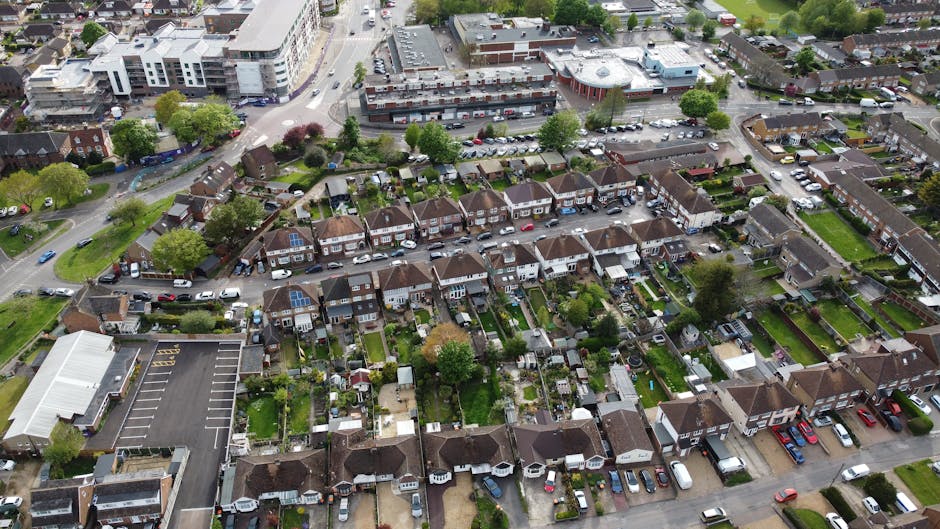
Lee High Road is busy, lived-in, and full of different property types. You have top-floor flats, family homes, small businesses, and conversions where stairwells are narrow and parking is never quite as generous as you hoped. That means waste removal is rarely just about "getting rid of stuff." It is about access, timing, safety, neighbours, and making sure the job is done in a way that does not create more hassle than it solves.
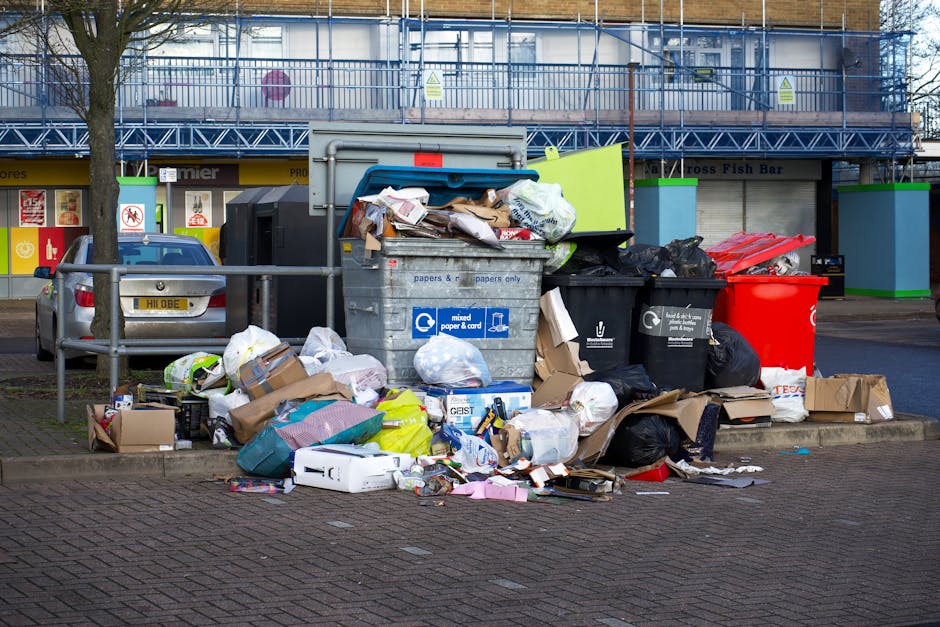
For residents, the stakes are simple. Rubbish left too long can make a home feel cramped and chaotic. Old appliances can become a safety issue. DIY clear-outs can drag on for days. And if you have to shift bulky items down several flights of stairs, let's face it, the task can become more than a bit miserable.
A good local approach also matters because different waste types need different handling. Mixed rubbish, furniture, garden waste, builder's debris, and electrical items all need different disposal pathways. If you sort that out early, you save time and usually money as well.
Expert summary: The best rubbish removal plan is not always the fastest-looking one. It is the one that matches your property layout, your waste type, and how quickly you need the space back.
If you are clearing a flat, a loft, a garage, or a house that has quietly accumulated clutter over months, services such as home clearance or house clearance can be a practical fit. For smaller jobs, general waste removal may be all you need.
How Lee Green Rubbish removal guide for Lee High Road residents Works
In real terms, rubbish removal usually follows one of three routes: you sort and move waste yourself, you arrange a collection service, or you book a specialist clearance for mixed items or heavier loads. The right option depends on how much you have, how awkward it is, and how quickly it needs to go.
For a small amount of bagged rubbish, a straightforward collection can be enough. For bulky items like wardrobes, mattresses, sofas, or appliances, you will usually want a team that can remove, load, and dispose of everything in one go. That is where a service like furniture disposal or mattress and sofa disposal becomes more useful than trying to piece things together yourself.
The process is normally simple:
- You identify what needs removing and separate anything that should stay.
- You check for awkward, heavy, hazardous, or special items.
- You decide whether you need clearance, disposal, or a mixed waste service.
- You ask for a quote or book a collection.
- The team removes the waste and handles disposal through the correct channels.
That sounds obvious, but many people skip step one and end up paying for a bigger job than necessary. A quick room-by-room sort before collection often makes the whole thing smoother. You will notice the difference immediately, especially in tight hallways or shared stairwells where every extra trip matters.
For residents dealing with a fridge, freezer, washer, or other white goods, a specialist route is usually better than trying to treat it like general waste. See fridge and appliance removal for the sort of items that need a bit more care.
Key Benefits and Practical Advantages
The biggest benefit is obvious: you get your space back. But the real value goes further than that. Good rubbish removal reduces stress, speeds up moves and renovations, and stops clutter from spreading from one room into another like it owns the place.
- Less physical strain: Heavy lifting is one of the main reasons people abandon a DIY clear-out halfway through.
- Faster turnaround: A single collection can clear what might otherwise take several trips.
- Better sorting: Mixed waste can be separated for more responsible disposal.
- Safer homes: Less clutter means fewer trip hazards, blocked exits, and damaged walls.
- Better planning: You can coordinate around moving day, tradespeople, or a landlord inspection.
There is also a quieter benefit people do not always mention. When a room is clear, decision-making becomes easier. A packed loft or garage tends to keep you mentally stuck. Once it is sorted, you can actually move on with the next job. It sounds small, but it matters.
If you are clearing out a loft, the right service can make a big difference because those jobs are often dusty, awkward, and full of forgotten objects from five years ago. Loft clearance can be a better match than general rubbish removal when the space is hard to reach or piled high.
For businesses along or near Lee High Road, commercial waste needs a different rhythm altogether. Offices and shops often need discreet timing, regular clearance, and careful handling of confidential or bulky items, which is why office clearance and business waste removal are worth looking at separately.
Who This Is For and When It Makes Sense
This guide is for anyone in Lee Green or on Lee High Road who has more waste than a normal bin collection can reasonably handle. That might be a tenant at the end of a lease, a homeowner clearing a spare room, a landlord resetting a flat, or a family dealing with the remains of a renovation. Different situation, same basic problem: too much stuff, not enough time.
It especially makes sense if you are dealing with:
- bulky furniture that will not fit in a car
- old appliances that need proper removal
- bags of mixed household junk after a declutter
- garage or shed contents that have been building up for years
- post-refurbishment debris and packaging
- mattresses, sofas, broken shelves, and worn-out household items
Some residents are better served by a narrow, item-specific service. For example, if the problem is mainly a tired sofa, then sofa disposal is enough. If the issue is a mix of wardrobes, beds, and white goods from a move, a broader flat clearance or furniture clearance may be more sensible.
Others may only need seasonal help. A garden after a wet spring can fill up fast with cuttings, broken planters, old fence panels, and bags of soil. In that case, garden clearance is usually the cleaner choice. A garage, meanwhile, tends to become a strange museum of half-finished DIY projects. We have all seen one.
Step-by-Step Guidance
If you want a smoother waste removal day, do not start by lifting. Start by sorting. That sounds dull, but it saves a lot of grief later on.
- Walk through the space first. Make a quick mental map of what is staying, what is going, and what might need special handling.
- Separate by category. Keep furniture, general rubbish, electrical items, and anything hazardous apart where possible.
- Check access points. Measure awkward hallways, stair turns, and door widths if you have large items. One bad corner can slow everything down.
- Set aside sensitive items. Documents, keys, medication, jewellery, and personal records should be removed before anyone arrives.
- Take photos if needed. This helps with quotes for larger or mixed-load jobs and avoids surprises on the day.
- Ask about disposal routes. If you have appliances or hazardous items, make sure they are covered before booking.
- Clear a path. Even a narrow corridor cleared of shoes, bags, and plant pots can make the job much safer.
For heavier clear-outs, the service choice matters. Builders' rubble, broken tiles, plasterboard, and renovation offcuts should be treated differently from household clutter. If your job sits in that category, take a look at builders waste clearance before assuming a general rubbish service will be enough.
A decent rule of thumb: if the waste is mostly one category, use a focused service. If it is a blend of old household items, bags, and odd bits from several rooms, a broader clearance is usually more efficient. That one decision can save an unnecessary second visit.
Expert Tips for Better Results
Here are the small things that make a big difference. The sort of things you only learn after doing this a few times, or after one especially annoying afternoon with a broken wardrobe and a stairwell that seems to shrink by the minute.
- Do a "keep, sell, donate, remove" sort first. It stops useful items being thrown out by accident.
- Keep heavy items near the exit only when safe. Do not block fire routes or create tripping hazards.
- Bag loose waste properly. Loose sharp edges and broken bits are awkward for everyone.
- Tell the provider about access restrictions early. Narrow stairs, basement entries, or limited parking change how the job is planned.
- Bundle similar items together. This helps the team load efficiently and avoid back-and-forth.
- Ask about recycling. Responsible disposal is not just a nice extra; it should be part of the service.
One practical tip many people overlook: check whether an item can be dismantled safely before collection. A bed frame, wardrobe, or desk that is broken down in advance can be much easier to move. Not everything should be DIY-dismantled, of course. If there are sharp fixings or awkward appliance parts, leave that to the professionals.
It can also help to group your waste by room. A quick label on each pile - "kitchen," "bedroom," "garage" - can make the load-out feel much more organised, even if the flat itself looks like a minor storm has passed through.
Common Mistakes to Avoid
A lot of rubbish removal problems are avoidable. Most of them come down to underestimating the job. Easy to do. We have all looked at a stack of clutter and thought, "That should take an hour." Then the hour becomes a day. Funny, that.
- Waiting until the last minute. Rush jobs usually cost more time and cause more stress.
- Mixing everything together. Hazardous or specialist items can complicate the whole load.
- Forgetting access issues. Parking, stairwells, and lift availability matter more than people expect.
- Leaving personal items in furniture. Drawers and cabinets should be checked carefully.
- Assuming every item can go with general waste. That is not a safe assumption, especially for appliances or chemicals.
- Overfilling the space before booking. Once the route is blocked, the job becomes harder for everyone.
Another common mistake is booking the wrong type of service. For example, if the main challenge is a single sofa, a specialist option such as mattress and sofa disposal may be more direct than arranging a full house clear-out. Likewise, a handful of items from a small household reset may not justify a bigger clearance package.
Finally, do not forget that some materials need extra care. Paint tins, solvents, old chemicals, and similar items should be handled separately. If there is any doubt, check first rather than guessing. That is the safer route, every time.
Tools, Resources and Recommendations
You do not need a van full of gear to organise a good clearance, but a few basic tools help enormously. A sturdy marker pen, heavy-duty bags, gloves, tape, and a trolley can make the preparation much easier. For a larger clear-out, a tape measure and a simple room list are very useful too.
Recommended preparation tools:
- strong refuse sacks or rubble sacks for mixed waste
- labels or sticky notes for sorting rooms and categories
- gloves for dusty, sharp, or dirty items
- a tape measure for furniture and access checks
- a phone camera for documenting larger loads or awkward items
For residents trying to keep a better handle on disposal choices, two website pages are especially useful: pricing and quotes if you want to understand the commercial side of booking, and recycling and sustainability if you want a clearer sense of responsible disposal standards.
If you are unsure about what can safely go into a skip or mixed waste container, the page on what can go in a skip is a helpful reference point. Not every job needs a skip, mind you, but it is a good way to understand item restrictions and why certain materials are separated.
For a service overview and company background, about us can help if you want to understand who is handling the job, while book online is useful when you are ready to move from planning to action.
Law, Compliance, Standards, or Best Practice
Waste disposal in the UK is not just a practical matter; it also carries responsibilities. The exact rules vary depending on the type of waste, but the broad best practice is straightforward: do not leave rubbish in places where it could create a hazard, do not mix items that should be handled separately, and use a provider that takes disposal seriously.
For householders, the main concern is usually safe handling and correct disposal. For landlords, letting agents, and businesses, the standard is higher because waste can include confidential materials, appliances, builder's debris, or items that need traceable handling. In those cases, specialist services such as confidential shredding or business-focused collections become more relevant.
Health and safety also matters more than people think. Heavy lifting, broken glass, mouldy items, and awkward stair movement can all create avoidable risk. That is why it helps to work with providers that take procedures seriously, including their health and safety policy and insurance and safety arrangements.
For hazardous materials, caution matters even more. Paints, chemicals, contaminated items, and similar waste should be treated carefully and not just thrown in with ordinary rubbish. A dedicated hazardous waste disposal route is the safer choice when those items appear.
To be fair, most residents do not need to memorise every detail. But it does help to know the principle: if a material could harm people, damage property, or contaminate other waste, treat it as special until proven otherwise.
Options, Methods, or Comparison Table
Different waste scenarios call for different methods. The table below gives a practical comparison so you can pick the right approach without overcomplicating things.
| Option | Best for | Pros | Trade-offs |
|---|---|---|---|
| Self-sorting and council-style bin disposal | Very small volumes of everyday waste | Low cost, simple for light loads | Slow, limited capacity, not suitable for bulky items |
| General waste removal | Mixed household rubbish and smaller clear-outs | Flexible, fast, easy to arrange | May not suit specialist items |
| Furniture or item-specific disposal | Sofas, wardrobes, mattresses, appliances | Efficient for single-category waste | Not ideal if you have mixed clutter |
| Full property clearance | Moves, downsizing, probate, major decluttering | Covers a lot in one visit, reduces stress | More involved, needs clear planning |
| Builders' waste clearance | Refurbishments and renovation debris | Handles heavier, messier waste types | Requires accurate information on materials |
If you are dealing with a flat or apartment on Lee High Road, a targeted service often works better than a generic one because access and load-out time matter so much. In that setting, a flat clearance can be the calm, efficient option that saves multiple trips up and down stairs. And nobody wants to carry a cracked chest of drawers down three flights twice. Nobody.
Case Study or Real-World Example
Imagine a Lee High Road resident in a two-bedroom flat above street level. They are moving out at the end of a tenancy, and the flat has a mix of old furniture, bagged junk, a broken bedside table, a mattress, and a fridge in the kitchen. There is no lift, parking is tight, and the move-out window is narrow because the keys need to be handed back by the afternoon.
If that person tries to manage the clearance alone, the day becomes a chain of small delays. Bags need carrying separately. The mattress does not fit around the landing turn. The fridge becomes the awkward last thing no one wants to deal with. And somewhere in the middle of all that, the hallway gets more cluttered than it was at the start.
A more sensible approach would be to split the waste into categories, confirm the bulky items in advance, and book a service that can handle the lot in one visit. Furniture goes one way, appliances another, general waste into the main load. The result is calmer, quicker, and usually cheaper than stretching the job out over two or three separate runs.
This kind of scenario comes up a lot. Not because people are disorganised, but because urban properties have their own quirks. Narrow access, shared entrances, and limited parking can turn a simple clear-out into a logistics job. Once you plan for that, the whole thing becomes much easier to live through.
Practical Checklist
Use this checklist before booking rubbish removal on Lee High Road:
- List every item or bag you want removed.
- Separate hazardous, confidential, and special waste.
- Check whether bulky items can be dismantled safely.
- Measure doors, stairs, and any tight corners.
- Make sure access to the property is clear.
- Remove personal belongings from drawers, cupboards, and pockets.
- Decide whether you need general removal or a specialist clearance.
- Take photos of large loads if a quote may depend on volume.
- Confirm the day, time, and any parking or access notes.
- Keep pets, children, and visitors away from the work area.
One more thing: do a final walk-through before the team leaves. It takes two minutes and can prevent the classic "oh no, that chair was meant to stay" moment. Happens more than you might think.
Get a free quote today and see how much you can save.
Conclusion
For Lee High Road residents, rubbish removal works best when it is planned around real life: limited space, busy streets, mixed waste, and a need for things to happen quickly and safely. The right service depends on what you are clearing, how much there is, and whether the items need special handling. Once you match the job to the right approach, the whole process gets a lot less stressful.
Whether you are tackling a single bulky item, a full flat clearance, or a more involved property reset, the key is to sort early, check access, and choose the most suitable disposal route. Small decisions made at the start usually save the most time at the end.
And honestly, once the clutter is gone and the room sounds a little less echoey, it feels like a fresh start. Which, on a busy London road, is a pretty good thing.
Frequently Asked Questions
What is the best rubbish removal option for Lee High Road residents?
The best option depends on the waste type. Small household rubbish can often be handled through general waste removal, while bulky items, furniture, or mixed clear-outs are usually better suited to a clearance service.
Can I book rubbish removal for a flat with narrow stairs?
Yes. Flats with narrow stairs are common in this area, and they just need a bit more planning. It helps to mention access issues early so the collection is arranged properly.
What items usually need specialist disposal?
Appliances, mattresses, sofas, hazardous materials, and confidential paperwork often need special handling. These items should not be treated as ordinary household rubbish.
Is it worth using a furniture clearance service instead of doing it myself?
Usually, yes, if the furniture is bulky, heavy, or awkward to move. A furniture-focused service saves lifting, reduces risk of damage, and can clear everything in one visit.
How should I prepare my waste before collection?
Separate items by type where you can, remove personal belongings, clear access routes, and set aside anything that needs special handling. A quick sort makes the whole job easier.
What if I only have one or two large items?
That is still worth arranging if the items are too heavy or awkward for you to move safely. A single sofa, mattress, or appliance can be more difficult than a box full of small bags.
Can rubbish removal help with moving out of a rental property?
Absolutely. It is one of the most common reasons people book a clearance. It helps you leave the property tidy and avoid last-minute panic on handover day.
What should I do with old appliances like fridges or freezers?
Use a dedicated appliance removal service rather than general rubbish disposal. Appliances are bulky and often need separate handling.
How do I know if my waste is hazardous?
If it includes chemicals, paint, contaminated materials, or anything that could harm people or the environment, treat it cautiously. When in doubt, keep it separate and ask before booking.
Is rubbish removal useful for landlords and agents too?
Yes. Landlords and agents often need quick clearances between tenancies, especially when old furniture, leftover items, or general clutter has been abandoned by previous occupants.
What is the difference between house clearance and waste removal?
Waste removal is usually best for mixed rubbish and smaller loads, while house clearance is better when you need a more complete clear-out of furniture and household contents.
How can I keep costs under control?
Sort waste before collection, avoid mixing items unnecessarily, and be clear about what needs removing. Accurate information at the start usually prevents surprises later on.
What is the safest way to handle heavy lifting?
Do not push your luck. If something is too heavy, awkward, or likely to damage walls and bannisters, it is safer to let trained collectors handle it.
Where can I find more information about responsible disposal?
You can review pages on recycling, pricing, and service categories to better understand how the process works and what kind of service matches your waste. A little reading upfront can save a lot of guesswork.