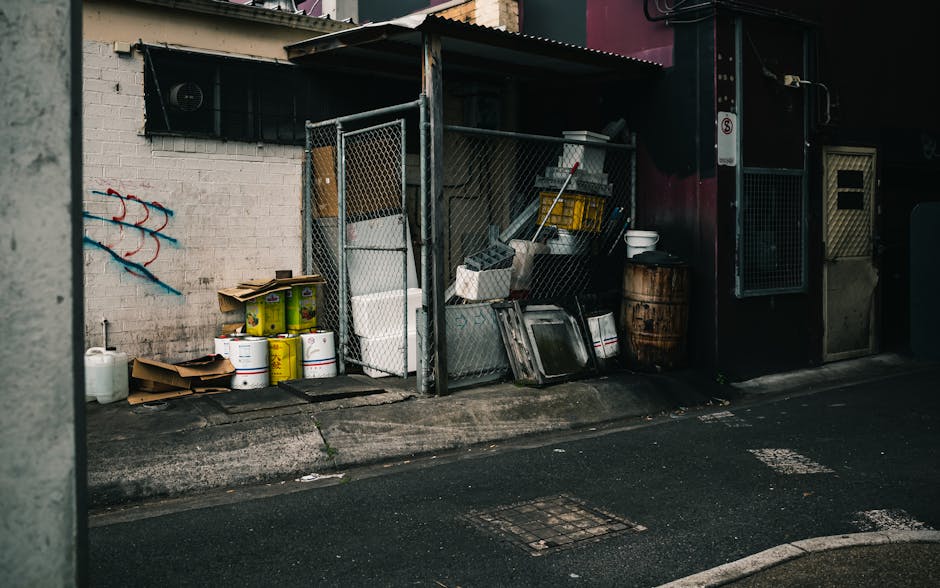
Eltham Road bulky rubbish clearance for tight access homes
If you live on Eltham Road and your home is awkward to access, bulky rubbish can become one of those jobs that hangs around far too long. A sofa jammed in a hallway, a mattress that will not fit down a narrow stairwell, a broken appliance left in a front room because the path outside is too tight - it is messy, stressful, and honestly a bit annoying. This guide explains Eltham Road bulky rubbish clearance for tight access homes in plain English, so you can understand how it works, what to expect, and how to make the whole process smoother from the start.
Whether you are clearing a single item or several bulky loads, the right approach matters. Tight entrances, shared access, narrow side passages, steep steps, awkward corners, and limited parking all change the plan. The good news? With the right preparation and a practical removal method, bulky waste can still be cleared safely and efficiently without turning the day into a small disaster.
Table of Contents
- Why Eltham Road bulky rubbish clearance for tight access homes Matters
- How Eltham Road bulky rubbish clearance for tight access homes Works
- Key Benefits and Practical Advantages
- Who This Is For and When It Makes Sense
- Step-by-Step Guidance
- Expert Tips for Better Results
- Common Mistakes to Avoid
- Tools, Resources and Recommendations
- Law, Compliance, Standards, or Best Practice
- Options, Methods, or Comparison Table
- Case Study or Real-World Example
- Practical Checklist
- Conclusion
- Frequently Asked Questions
Why Eltham Road bulky rubbish clearance for tight access homes Matters
Tight access changes everything. A straightforward bulky collection can become difficult the moment a doorway is narrow, a stairwell bends sharply, or the only route out passes a parked car, a low wall, or a shared hallway. On streets like Eltham Road, that kind of layout is common enough that planning really pays off.
Bulky rubbish is not just "stuff to throw away". It often includes items that are heavy, awkward, fragile, or dirty enough that you do not want them bouncing around inside the house for any longer than necessary. Think wardrobes, drawers, sofas, white goods, old beds, broken shelving, garage clutter, and odd mixed items from a home clear-out. One item may be manageable. Three or four? Different story.
The practical challenge is not only lifting. It is route planning. Can the item turn the corner? Does it need two people? Is the front path too narrow for a sack truck? Will the team need to remove doors, protect walls, or carry items through a back route? These details matter because one bad move can damage plaster, dent bannisters, or scuff floors. Not ideal, to put it mildly.
For homeowners, landlords, and families dealing with a move, refurbishment, probate clear-out, or just years of build-up, a specialist clearance approach makes life much easier. It reduces stress, limits disruption, and helps ensure the waste is dealt with properly rather than left half-dragged across the hallway. That is the real value here.
Key takeaway: In tight access homes, bulky rubbish clearance works best when the route, load size, and item type are all considered before anything is lifted.
How Eltham Road bulky rubbish clearance for tight access homes Works
In practice, a good bulky clearance follows a careful sequence rather than a grab-and-go approach. First comes the assessment. That may happen from photos, a description, or a quick visit depending on the job. The aim is to understand what needs removing and how difficult the access will be.
Then comes the removal plan. For tight access homes, this usually includes deciding whether the team can carry items out in one piece, whether anything should be dismantled, and which route is safest. Sometimes a sofa can go out as it is. Sometimes the frame has to be broken down first. There is no prize for forcing an item through a space it clearly does not fit.
The actual clearance day should feel organised. A proper crew will arrive prepared, look at the access again, protect the area where needed, and remove items in an efficient order. If the job includes mixed household waste, old furniture, or appliances, items may be sorted as they go. If you are dealing with a wider property clear-out, related services such as home clearance, house clearance, or flat clearance may be more appropriate than a one-item collection.
It is also common to see linked services used for specific categories of waste. For example, a broken wardrobe may fall under furniture clearance, while a damaged washing machine may be better handled through fridge and appliance removal or a broader waste removal service. The idea is simple: match the method to the mess.
What makes tight access jobs different?
It is the combination of physical limits and timing. Narrow access means fewer lifting options, more careful turns, and a greater chance of needing to pause and rethink the route. Timing matters too because parking restrictions, neighbour access, and school runs can all affect the best collection window. If you have ever tried to carry a mattress down a narrow stairwell while apologising to someone coming the other way, you will know the feeling. Not the most elegant of mornings.
Key Benefits and Practical Advantages
The biggest benefit is obvious: the rubbish gets out without unnecessary drama. But there are several smaller advantages that matter just as much when you live in a tight access home.
- Less risk of damage: Proper lifting and route planning reduce scratches, cracked plaster, and knocked walls.
- Less physical strain: Heavy items are awkward, especially on stairs and tight corners. A trained team can reduce the load on you.
- Faster completion: A planned clearance usually finishes quicker than a DIY attempt that keeps stalling at the doorway.
- Better sorting: Mixed bulky waste can often be separated for reuse, recycling, or safe disposal where appropriate.
- Lower stress: You do not have to borrow a van, rally friends, or spend Saturday wrestling with a wardrobe in the rain.
There is also a useful environmental benefit. When waste is assessed properly, more can be directed to the right outlet rather than being treated as one big pile. If sustainability matters to you, it is worth looking at a provider's approach to recycling and sustainability. It is one of those behind-the-scenes details people often forget, but it makes a difference.
And if the job includes mixed household items that are still in decent condition, asking about separate handling can be worthwhile. For example, one old sofa, two bedside tables, and a spare mattress may all need slightly different disposal routes. That is normal. A tidy clearance is not about moving everything quickly; it is about moving each thing in the right way.
Who This Is For and When It Makes Sense
This kind of service is useful for a surprisingly wide range of people. It is not just for someone with a full house of furniture to remove. Sometimes the "bulky rubbish" is only a few items, but those items are large enough to create a real access problem.
You may need this if you are:
- dealing with furniture that will not fit safely through the stairs or hallway
- clearing a rented property before the next tenant arrives
- preparing for decorating, flooring, or renovation work
- emptying a loft, garage, or spare room with limited access
- helping a relative downsize or clear a long-unused property
- handling a damaged appliance or broken household item that is too heavy to move alone
It also makes sense when access is technically possible, but just awkward enough that a DIY effort would become a slog. Maybe you could move the item eventually. Maybe. But will it be worth the time, the risk, and the disruption? That is the question.
For some homes, the issue is not the item itself but the layout. A Victorian terrace with narrow stairs, a maisonette with a tight shared entrance, or a house with a steep front step can all be trickier than they first appear. In those situations, professional handling is often the sensible route.
If the clear-out extends beyond a few bulky items, related services such as loft clearance, garage clearance, or furniture disposal can help you avoid trying to piece together a complicated job from scratch.
Step-by-Step Guidance
If you want the collection to go smoothly, a little preparation goes a long way. Here is a practical step-by-step approach that works well for tight access homes.
- Identify every bulky item. Make a simple list. Include furniture, appliances, mattresses, and anything mixed in with the clutter.
- Check access points. Measure the narrowest doors, stair turns, gates, and corridors if you can. Photos help too.
- Remove easy obstacles. Move small items, shoes, plant pots, bins, bikes, and anything else that could slow the route.
- Decide what can stay and what must go. It sounds obvious, but people often forget items in cupboards, under beds, or in the loft.
- Separate special waste. Keep hazardous items, sharp objects, or anything with fluids apart from general bulky waste.
- Book the right service. If the clearance involves a lot of household contents, a broader house clearance or home clearance may be more efficient.
- Be present if possible. You may be asked where items are stored, which pieces matter, and which route is safest.
- Do a final walk-through. Check corners, loft hatches, hallways, and behind doors before the team starts loading.
A small detail, but an important one: clear communication saves time. If one wardrobe is built into a recess or a sofa has a hidden fix, say so early. The team can then bring the right tools or plan for dismantling.
At this stage, if you know the job is not a simple furniture lift, you may also want to check the provider's pricing and quotes information so you understand how access, volume, and item type may affect the estimate.
Expert Tips for Better Results
Some jobs look straightforward until the item reaches the doorway. That is usually where experience starts to matter. These tips can save you a lot of hassle.
Measure before the item moves
It sounds basic, but measuring the item and the tightest point in the property can stop a failed lift before it starts. A sofa that is technically "not too big" can still catch on a banister because of the angle of the turn. Happens all the time.
Use the right lifting order
Heavy items should be taken in a controlled sequence, not all at once. In tight homes, it is often better to move smaller items first to create space and reduce trip hazards. Then take the bulky piece once the route is clear.
Protect surfaces early
Felt pads, blankets, floor protection, and door guards may sound boring, but they save headaches. A quick scrape on a freshly painted wall can spoil the mood instantly. Better to prevent it.
Be honest about the access
If the route is awkward, say so. There is no medal for pretending the hallway is wider than it is. Honest access detail helps the clearance run smoothly and safely.
Ask about awkward items specifically
Mattresses, armchairs, fridge-freezers, and wardrobes often need special handling. If your load includes a mattress, the right specialist option such as mattress and sofa disposal may be useful. If it includes a broken cooling appliance, check the handling process carefully.
One more thing: if the house has a side passage or back gate, test whether it is actually usable before collection day. A route that looks ideal from the kitchen window can be blocked by an overgrown hedge, a padlocked gate, or a step that feels twice as high when you are carrying something large. Not glamorous, but real life rarely is.
Common Mistakes to Avoid
A lot of clearance problems are avoidable. The trouble is, people only discover them once the item is halfway out of the room. Here are the mistakes worth dodging.
- Leaving access checks too late: By the time the crew arrives, there should be no surprises about tight stairs or blocked paths.
- Forgetting hidden items: A loft, under-stairs cupboard, or shed can contain more bulky waste than the main room.
- Trying to force oversized furniture: If it does not fit safely, do not push it and hope for the best.
- Mixing hazardous items with general waste: This creates safety and compliance problems.
- Assuming all furniture is the same: Flat-pack, solid wood, modular, and upholstered pieces all behave differently during removal.
- Not checking what cannot be taken: If an item needs special handling, mention it early.
Another common slip is underestimating the time needed to clear a tight home. A three-item job can take longer than a larger but more open property because the crew has to move carefully. That is not inefficiency; it is caution. And caution is usually cheaper than damage.
Tools, Resources and Recommendations
You do not need a warehouse full of tools for a bulky clearance, but a few practical things help a lot.
- Measuring tape: Useful for checking doorway width, stair turns, and item dimensions.
- Phone camera: Photos of the access route and the items are often enough for an initial assessment.
- Gloves and sturdy footwear: Helpful if you are sorting beforehand.
- Labels or sticky notes: Good for marking items that are staying, going, or need special attention.
- Cleaning cloths or old sheets: Handy for dusting items or protecting walls during movement.
If you are trying to decide what kind of waste stream you are dealing with, a useful reference is what can go in a skip. Even if you are not hiring a skip, that page can help you think through which items are standard bulky waste, which are mixed rubbish, and which need separate treatment.
For homes where the clearance is part of a bigger project, you may also benefit from browsing related services like builders waste clearance if you are renovating, or garden clearance if external clutter is adding to the access issue. Sometimes the best result comes from tackling both the inside and outside route together.
Law, Compliance, Standards, or Best Practice
Bulky rubbish clearance in the UK is not just about moving things from A to B. Waste has to be handled responsibly, and that means using sensible, legal disposal practices. You do not need to memorise legislation, but you should know the basics.
In practical terms, that means waste should go to appropriate facilities, hazardous items should be identified separately, and anyone transporting waste should act in line with accepted waste duty-of-care expectations. If an item contains sharp edges, fluids, electrical parts, gas-related components, or other risk factors, it needs extra care.
Best practice also includes safe lifting, proper vehicle loading, and clear communication about access hazards. For tight access homes, this matters even more because the physical environment increases the chance of trips, knocks, and strain. A careful crew should assess the route, protect the property where needed, and avoid rushing the job just to save a few minutes. Truth be told, rushing is usually where the trouble begins.
If security and handling practices matter to you, it can be reassuring to review pages such as health and safety policy, insurance and safety, and payment and security. These do not replace good service, of course, but they do show the sort of operational thinking you want from a responsible provider.
There is also a sensible privacy angle if your clearance involves paperwork, old filing, or personal materials mixed in with household clutter. In that case, confidential shredding may be relevant. It is one of those things people forget until they are knee-deep in old drawers and boxes.
Options, Methods, or Comparison Table
There is more than one way to clear bulky rubbish from a tight access home. The right option depends on volume, item type, timing, and how awkward the property is.
| Method | Best for | Pros | Watch-outs |
|---|---|---|---|
| DIY removal | Very small, light items | Low upfront cost, full control | Risk of damage, lifting strain, vehicle issues, time-consuming |
| Man-and-van style clearance | One-off bulky items and moderate loads | Flexible, usually quicker than self-removal | May still struggle with very tight or awkward access |
| Specialist bulky rubbish clearance | Heavy items, narrow stairs, difficult routes | Careful handling, route planning, less stress | Can cost more than DIY, needs clear access info |
| Full property clearance | Multiple rooms, downsize, probate, or end-of-tenancy jobs | Efficient for larger clear-outs, better coordination | Requires more planning and item sorting |
If the property is especially compact, a specialist clearance is often the most practical route. The reason is simple: what you save in effort, you often save again in avoided damage and time. That said, if you only have one light item and the access is manageable, a smaller-scale option may be perfectly fine.
There is also a cost-angle decision. A narrow stairwell can make a seemingly small job more complex, so the cheapest quote is not always the best value. Look for clarity, not just a number on a page. It saves headaches later.
Case Study or Real-World Example
Imagine a typical Eltham Road home with a narrow front hallway, a tight staircase, and no easy way to carry furniture through the rear. The household wants to remove an old three-seater sofa, a double mattress, a chest of drawers, and a broken appliance from the utility room. Nothing dramatic, but each item presents a different access challenge.
The first step is a quick assessment. The sofa might fit only if tilted carefully and removed before any other items block the hallway. The mattress is light but floppy, so it needs two people to control it around the turns. The chest of drawers may need doors or handles checked so it does not snag. The appliance, depending on type, has to be treated with more care and possibly separated from the rest of the load.
What makes this kind of job work is not speed alone. It is order. The team clears the path first, lifts the items in the right sequence, protects the pinch points, and keeps the movement calm. The homeowner gets the room back, the hallway stays intact, and the whole thing feels much less daunting than it did the day before. Simple on paper, a bit less simple in a narrow house - but manageable.
That is the real lesson with tight access clearances: the task is rarely impossible, just easier when handled properly.
Practical Checklist
Use this checklist before collection day. It is basic, but it works.
- Make a list of every bulky item to be removed
- Measure the narrowest doorway, hall, stair turn, or gate
- Take photos of the access route
- Clear small obstacles from the floor and corridor
- Separate furniture, appliances, and mixed rubbish if you can
- Move hazardous or sharp items away from the main load
- Check whether any item may need dismantling
- Confirm where vehicles can park safely
- Keep keys, locks, and access codes ready if needed
- Walk the route once more before the crew starts
If the job is more than a couple of items, it may help to compare a clearance-style approach with broader property services such as furniture clearance or furniture disposal. Small difference, but a useful one.
And if you are not sure how the clearance should be arranged, using the service information on book online can be a practical next step. Sometimes getting the job booked is easier than debating it for another week. We have all done that.
Conclusion
Eltham Road bulky rubbish clearance for tight access homes is all about sensible planning, careful movement, and choosing the right method for the space you actually have. When access is narrow, the details matter more: the angles, the turns, the parking, the weight, the route, the order of removal. Get those right and the job becomes far more manageable.
The best results usually come from being honest about the property, clear about the items, and prepared for a little adaptation on the day. That approach protects the home, reduces stress, and helps the clearance run in a calm, efficient way. Nothing flashy. Just solid, practical work done properly.
If you want to make the process easier, start with a quick list of the items, a few photos of the access route, and a clear idea of what needs to go. Small prep now saves a lot of faff later.
Get a free quote today and see how much you can save.
Frequently Asked Questions
What counts as bulky rubbish in a tight access home?
Bulky rubbish usually means large or awkward items such as sofas, mattresses, wardrobes, tables, appliances, drawers, and similar household pieces. In a tight access home, even one item can count as bulky if it is difficult to manoeuvre safely through the property.
Can bulky items be removed from a narrow staircase?
Often, yes, but it depends on the size and shape of the item, the stair angle, and how much turning space there is. Some pieces can be lifted out intact, while others may need to be dismantled first.
Do I need to measure my doors and hallways before booking?
It is not always mandatory, but it is a very good idea. Measurements and photos help the team judge whether the item will fit, whether a different route is better, and whether any dismantling is likely to be needed.
Is Eltham Road bulky rubbish clearance suitable for single items?
Yes. You do not need a full house load to make this worthwhile. A single sofa, bed, wardrobe, or appliance can be enough if access is awkward or the item is too heavy to move alone.
What happens if the item will not fit through the doorway?
In that case, the team may need to try another route, remove parts of the item, or adjust the plan. It is much better to identify that risk early than to discover it halfway through a carry.
Can old appliances be collected with bulky waste?
Usually, yes, but appliances may need separate handling depending on type and condition. Fridge-freezers, washing machines, and similar items are often treated carefully because of their components and weight.
Will the crew remove furniture from upstairs rooms?
In many cases, yes. Upstairs removals are common, but tight stairs and landings can make the job more complex. That is why access details matter so much before the collection happens.
How can I make the clearance quicker on the day?
Clear small items from the route, unlock gates, keep access to the room open, and make sure the items to be removed are easy to identify. A quick final check can save a surprising amount of time.
What should I do with broken or unsafe items?
Keep them separate if possible and mention them before the collection. Broken glass, sharp edges, loose parts, and leaking items need extra caution. Do not hide them in the middle of a load and hope for the best.
Is it better to book a house clearance instead of a single bulky collection?
If you have several rooms to empty, a whole-property job may be more efficient. If you only have a few items, a smaller bulky clearance is often the simpler option. The right choice depends on volume, access, and timing.
Can I add garden waste or loft contents to the same clearance?
Sometimes, yes, if the provider can safely handle mixed waste types. For bigger jobs, combining items from the loft, garage, or garden can be efficient, but it is worth checking how the waste will be separated.
How do I know if my home access is too tight?
If you are unsure, take a photo of the tightest spots and compare the item size to the route. If the hallway feels just a bit too narrow or the stairs turn sharply, it is probably worth asking for advice before moving anything.
What if I need to clear furniture and confidential papers at the same time?
You can usually handle both, but confidential items should be separated from general waste. If paper documents are involved, a service such as confidential shredding may be useful alongside the bulky clearance.
How far in advance should I arrange the clearance?
As soon as you know the item needs removing. Tight access jobs benefit from a little lead time because they often need planning, photos, and a clearer understanding of what will fit safely through the property.